 Published by Michael Becker
Last updated on February 27, 2026
•
8 minute read
You know that moment when you're halfway through your morning coffee and three different people are telling you the system is down? Yeah, that one. Or when your monitoring dashboard lights up like a Christmas tree and you're standing there thinking "where do I even start with this mess?"

Welcome to unplanned interruptions. They're part of the job, unfortunately. But here's what I've learned - the difference between controlled chaos and complete disaster often comes down to having a solid incident management process in place. Sounds boring, I know. But stick with me here.
Incident management isn't just about putting out fires, though there's definitely that. It's more about doing it efficiently. Learning from what went wrong. Making sure your IT teams can actually go home on time instead of living at the office. That's where ITIL comes in. And no, before you ask, it's not just another framework collecting dust on a shelf.
What Exactly Is ITIL Incident Management?
So ITIL - Information Technology Infrastructure Library for anyone who hasn't encountered it yet - has been the gold standard for IT service management for decades now. Like, since the 1980s. The incident management practice within ITIL 4 sounds pretty straightforward when you first hear it: minimize downtime and get things back to normal service as quickly as possible. Simple, right?
An IT incident is basically any unplanned interruption to a service or reduction in quality. Could be a major incident like your entire network going down. Could be something smaller - one user who can't access their files. The incident lifecycle starts the moment someone reports a problem and doesn't end until that affected service is fully restored.
What makes ITIL incident management different from just "fixing stuff when it breaks" is the structure. You're not troubleshooting randomly - you're following workflows that have been tested across thousands of organizations. And when you're dealing with critical issues at 2 AM and your brain is barely functioning, having that framework to fall back on is worth its weight in gold.
The Incident Management Process - Breaking It Down
The incident management process in ITIL 4 isn't rocket science, but it does require discipline. Here are the key stages of the incident lifecycle:
🧩 Incident identification and logging kicks things off. Someone - could be an end-user, could be your monitoring system - notices something's wrong. Every single incident gets recorded, no exceptions. You need those details later for root cause analysis and continuous improvement.
🧩 Categorization and prioritization comes next. Not all incidents are created equal. A CEO who can't send email gets bumped up the priority list. A printer that's low on toner can wait. Your support team assesses the type of incident, how many users are affected, and what impact it's having on business operations.
🧩 Initial diagnosis happens next. Your IT support team takes a first crack at figuring out what's going on. Sometimes you get lucky and find a known error with a documented workaround in your knowledge base. Sometimes... not so much. This is where those response times start ticking and where having good incident management software really pays off.
🧩 Escalation kicks in when your first-level support can't resolve incidents quickly. And escalation isn't a dirty word - it's actually a sign of a mature incident management practice. You're getting the right team members involved at the right time, whether that's specialists or problem management to investigate the root cause.
Want to stop incidents before they become full-blown disasters?
Real-time monitoring is your best friend here.
👉 Download PRTG now and get complete visibility into your IT infrastructure. Catch issues before they turn into major incidents that wake you up at night.
Resolution, Recovery, and What Comes After
Once your IT teams figure out what's wrong, it's time for resolution and recovery. The goal? Restore normal service as fast as humanly possible. Sometimes that means implementing a permanent fix. Sometimes it means deploying a workaround while you work on the real solution. ITIL just wants your users back up and running.
But here's where organizations often drop the ball: incident closure. You can't just fix the problem and move on to the next fire. You need to verify with the user that everything's actually working, document what happened, update your incident records, and close the loop properly. I know it sounds tedious when you've got fifty other things screaming for attention, but this separates effective incident management from just barely keeping the lights on.
And then there's the post-incident review. Especially for major incident management, you need to ask the hard questions. What went wrong? Why didn't we catch it sooner? How can we prevent future incidents like this? This is where incident management feeds into problem management and continuous improvement. DevOps teams and Agile organizations really shine here because they're already used to retrospectives and learning from failures.
Why This All Actually Matters
Look, nobody goes into IT because they love filling out incident forms. But good ITSM practices, especially around incident response, directly impact customer satisfaction. When you can resolve incidents faster, your end-users are happier. When you track resolution times and optimize your workflows, you can prove your value to the business. And when you're meeting your SLA commitments consistently, those budget conversations get a lot easier.
Organizations with mature incident management practices see better service delivery, reduced outages, and less stressed IT operations teams. Your stakeholders notice when critical issues get handled smoothly versus when everything's always on fire.
Plus, there's the knowledge management angle. Every past incident is a learning opportunity. Build that knowledge base. Document those known errors. Create self-service options where it makes sense. You'll thank yourself when you're dealing with incident number 847 and realize you've seen this exact thing before.
Making It Work in the Real World
Theory is great, but let's talk practical implementation. First off, automation is your friend. AI-powered tools can handle incident identification, send notifications automatically, and even suggest solutions based on past incidents. You don't need to do everything manually.
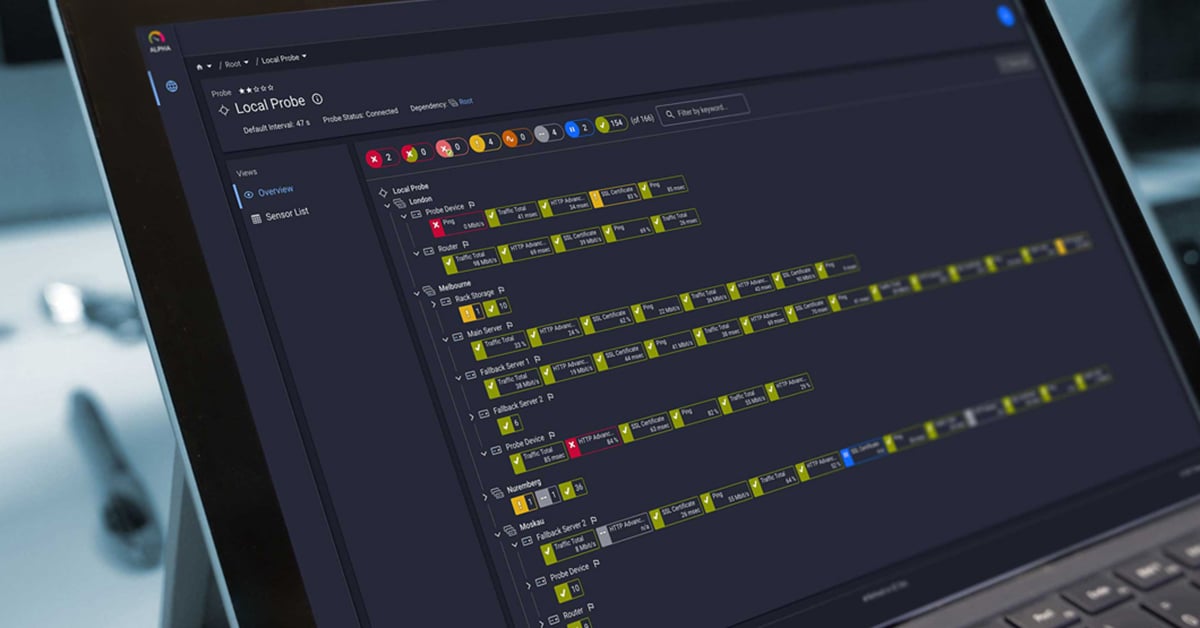
Real-time monitoring is absolutely critical. You can't manage what you can't see. Network monitoring tools give you visibility into what's happening across your entire infrastructure. They catch disruptions before they become full-blown incidents, provide the data you need for root cause analysis, and let you sleep better at night.
Integration matters too. Your incident management software needs to play nice with change management, your service desk, and your monitoring tools. Service operation shouldn't feel like juggling fifteen different systems that don't talk to each other. The whole point of ITIL 4 is that everything connects - the service value chain only works when the pieces actually fit together.
And here's something I learned the hard way: make it easy for your team to do the right thing. If your incident categorization system has 47 different options, nobody's going to use it correctly. Keep it simple. Make the workflows logical. When people understand that incident logging helps everyone troubleshoot faster, they're more likely to actually do it properly.
Your Next Steps Toward Better Incident Management
Here's the bottom line: ITIL incident management isn't about adding bureaucracy. It's about giving you and your support team the tools and structure to handle incidents efficiently, learn from what goes wrong, and continuously improve how you deliver IT services.
Start small if you need to. Maybe you focus on improving incident prioritization first. Or you implement better categorization. Or you finally get that knowledge base organized. Pick one area, make it better, then move on to the next. That's continuous improvement in action.
The technology helps too. Modern incident management software can streamline so much of the process - the notifications, the workflows, the escalation paths. But at the end of the day, it's about having a systematic approach to dealing with the inevitable chaos that comes with keeping IT systems running.
Ready to level up your incident management practice?
PRTG gives you the real-time monitoring and alerting you need to catch incidents early and respond fast.
👉 Start your free trial today and see how comprehensive monitoring transforms how you handle IT incidents. No credit card required, and you'll be up and running in minutes.
Because let's face it - incidents are going to happen. The question is whether you're going to handle them like a pro or spend your nights fighting fires that could have been prevented. Your choice.


 You there!